4★Police procedural
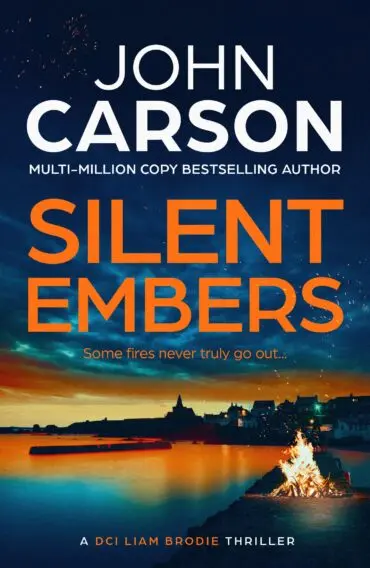
Silent Embers
John Carson
Silent Embers is a Scottish police procedural centred on a present-day murder and the long shadow of a fatal theatre fire. As DCI Liam Brodie and his team follow the connections between the two, several suspects emerge and the investigation gradually reveals how closely the past and present are linked.
My favourite part was the wonderfully dry Scottish humour and sarcasm between the members of the investigating team. Their banter brought some welcome lightness to the darker elements of the story and made the characters feel believable. The mystery itself is carefully constructed, with several plausible suspects, and the eventual explanation brings the different strands together satisfactorily.
However, the pacing felt quite measured and, despite the amount of murder and police work, I never found it particularly tense or difficult to put down. It was an enjoyable investigation to follow, but I was not as invested as I have been in other crime novels I have read recently. For me, this was a solid 3.5-star read, rounded up to four.
This is the third book in the DCI Liam Brodie series. The central case can be followed as a standalone, but the references to earlier events and the ongoing relationships made me feel that I would have enjoyed it more had I read the first two books. That extra familiarity would probably have strengthened my connection to the team, although I do not think it would have lifted the book beyond four stars.
View on Amazon UK →
5★Gothic mystery
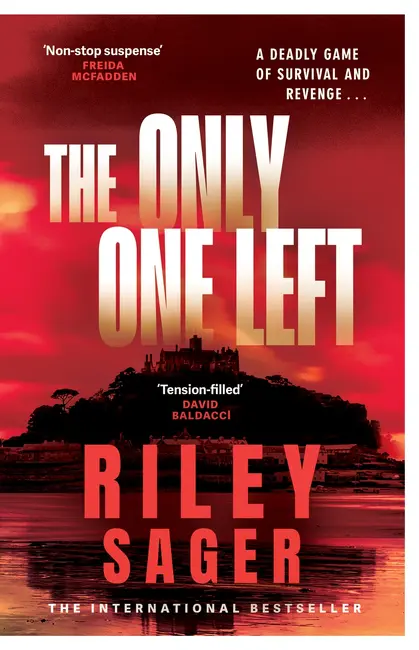
The Only One Left
Riley Sager
In 1929, seventeen-year-old Lenora Hope was accused of murdering her entire family at their isolated clifftop home. Decades later she still lives at Hope’s End, now elderly, unable to speak and confined to a wheelchair. When caregiver Kit McDeere arrives at the crumbling mansion, Lenora begins using a typewriter to tell her what really happened on the night of the murders.
This had almost everything I want from a Gothic thriller: a decaying house, a notorious family history, an uneasy relationship at its centre and the constant sense that neither the building nor the people inside it can be trusted. Hope’s End feels properly cut off from the outside world, and its instability mirrors the story beautifully. The house is not simply a backdrop; it becomes part of the mystery.
I completely binged this. Riley Sager keeps changing the meaning of what has already happened, so every time I thought I understood the past, another discovery forced me to reconsider it. There are a lot of twists—possibly more than some readers will want—but I found the sheer audacity of them enormously entertaining. Importantly, the revelations did not feel as though they had been saved solely for a last-page shock; the clues were there, even when I interpreted them wrongly.
The relationship between Kit and Lenora gives the story more emotional weight than I expected. Both women are trapped by other people’s versions of their lives, and the gradual development of trust between them matters just as much as solving the original crime. Dramatic, atmospheric and almost impossible to stop reading, this was an easy five-star read for me.
View on Amazon UK →
5★Dark thriller
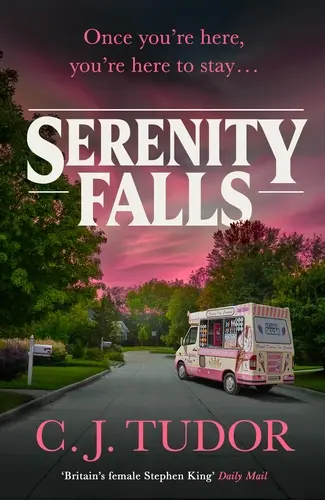
Serenity Falls
C. J. Tudor
Serenity Falls presents itself as one of the safest communities in America: immaculate homes, carefully enforced rules and the reassuring promise that nothing bad happens there. That promise begins to fall apart when a body is discovered in a swimming pool. Beneath the polished surface are secrets, control and a community whose idea of protection feels increasingly sinister.
C. J. Tudor is an autobuy author for me because she is so good at taking something apparently ordinary and making it deeply unsettling. Here, the homeowners’ rules, neighbourly concern and cheerful community traditions slowly become threatening. Even an ice-cream van becomes the source of some of the book’s most memorable scenes. The unease builds through those smaller details before the full scale of what is happening becomes clear.
I particularly enjoyed the way the novel plays with the appeal of a supposedly perfect place. It is easy to understand why somebody might want to believe in Serenity Falls, especially when the alternative is a world that feels unpredictable and unsafe. That makes the darker side of the community more convincing: the control has been wrapped in comfort, belonging and the promise that somebody else will keep danger away.
The story becomes stranger and more ambitious as it develops, but it never loses the tension created at the beginning. There are disturbing moments, flashes of dark humour and several revelations that recast characters I thought I understood. Sinister, inventive and completely absorbing, this delivered exactly the atmosphere and darkness I wanted.
View on Amazon UK →
4.5★Psychological thriller
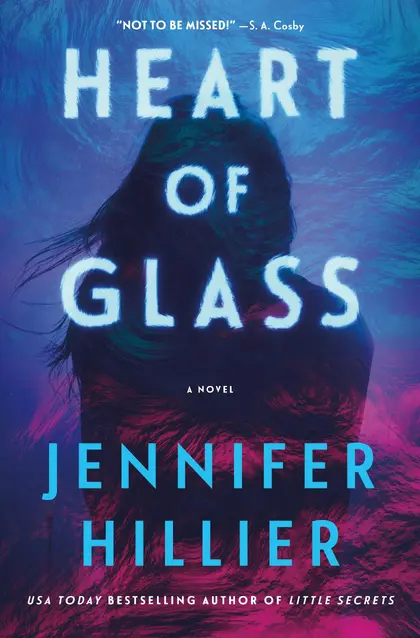
Heart of Glass
Jennifer Hillier
Heart of Glass begins with damaged lives, old secrets and a mystery that has never been allowed to disappear completely. As the different strands of the story begin to connect, photographs, online fragments and apparently insignificant inconsistencies take on much greater importance. It is the sort of book where a small detail can sit quietly in the background until you suddenly understand why it was shown to you.
Jennifer Hillier places the clues very carefully. They are visible enough that an observant reader can make connections, but not so obvious that the whole picture becomes clear too early. I had several theories as I read and enjoyed continually adjusting them when another piece of information appeared. That made the twists feel earned rather than simply dropped into the final chapters for shock value.
The story is dark, but it is also very controlled. The tension comes from discovering how the characters and timelines fit together, and from the growing certainty that choices made years earlier are still shaping what is happening now. I also liked the use of photographs and online material: both felt integral to the mystery rather than modern details added merely to make the story seem current.
There was one element near the end that felt more complicated than it needed to be, which kept this just below a full five stars for me. Even so, the central mystery held my attention, the pace remained strong and the major revelations changed the story without undermining what came before. Clever, addictive and rewarding to piece together, this is exactly the kind of psychological thriller I enjoy.
View on Amazon UK →
4★Police procedural
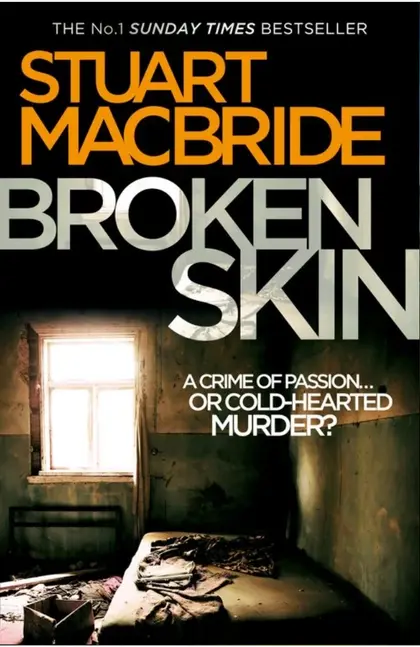
Broken Skin
Stuart MacBride
Broken Skin follows Logan McRae and his colleagues through several investigations at once, including a case involving a footballer accused of serious crimes and a violent offender attacking men in Aberdeen. The cases overlap with the pressures and rivalries inside the police team, creating a busy procedural in which nobody ever seems to be dealing with only one problem.
The subject matter is extremely dark, and readers should be aware that the book includes an investigation involving child abuse. Stuart MacBride does not soften the ugliness of the cases, but he balances it with sharply dry Scottish humour and wonderfully abrasive character dynamics. That humour never makes the crimes feel trivial; instead, it feels like the way people doing an exhausting and often horrible job manage to keep functioning.
I enjoyed the multi-case structure because it made the investigation feel messy and believable. Leads do not arrive in a convenient order, priorities compete and the detectives make mistakes while other work continues around them. Aberdeen is also a strong presence throughout: cold, wet, distinctive and described with the mixture of affection and exasperation you would expect from people who know it well.
I had not read the earlier Logan McRae books, so there were relationships and references whose full history I was clearly missing. The main investigations still worked on their own, but the recurring characters were so entertaining that this convinced me to go back and start the series properly from book one. Grim, funny and packed with police work, it was a strong four-star read.
View on Amazon UK →
4★Psychological mystery
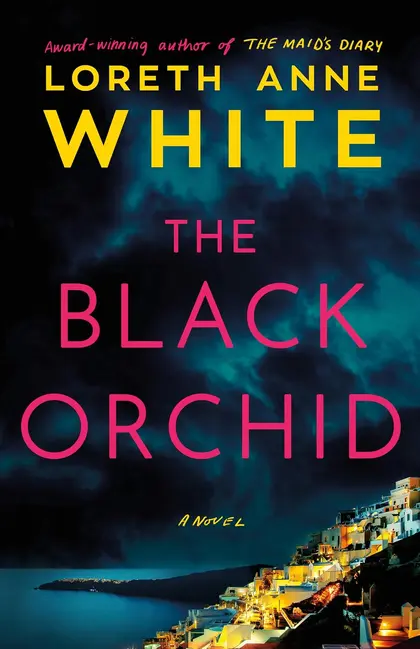
The Black Orchid
Loreth Anne White
The Black Orchid is a layered psychological mystery built around identity, family secrets and connections that only gradually become visible. It introduces a large cast and several apparently separate threads, asking the reader to hold onto names and relationships before explaining how they belong together.
I struggled a little with the first half. There were so many characters that I found it difficult to become properly invested, and the slower pace made the distance between the different storylines feel even wider. I listened on audio, which may also have made it harder to flick back and remind myself who everyone was. At that stage, I was interested in the mystery but not yet emotionally caught by it.
The second half transformed the book for me. Once the connections began tightening, details that had seemed separate started carrying much more weight and the characters became far more emotionally involving. The pace increased without turning into a rushed sequence of revelations, and I found myself thinking very differently about people I had initially placed at the edges of the story.
This is a difficult book to discuss in detail without damaging the experience, because so much of its impact comes from understanding why the characters have been brought together. I will only say that the later revelations gave the story a much stronger emotional centre than I expected, and the author’s note at the end added another layer of feeling for me personally. It was not an instant favourite, but it rewarded patience and ultimately left a strong impression.
View on Amazon UK →
 Cover: Boldwood Books